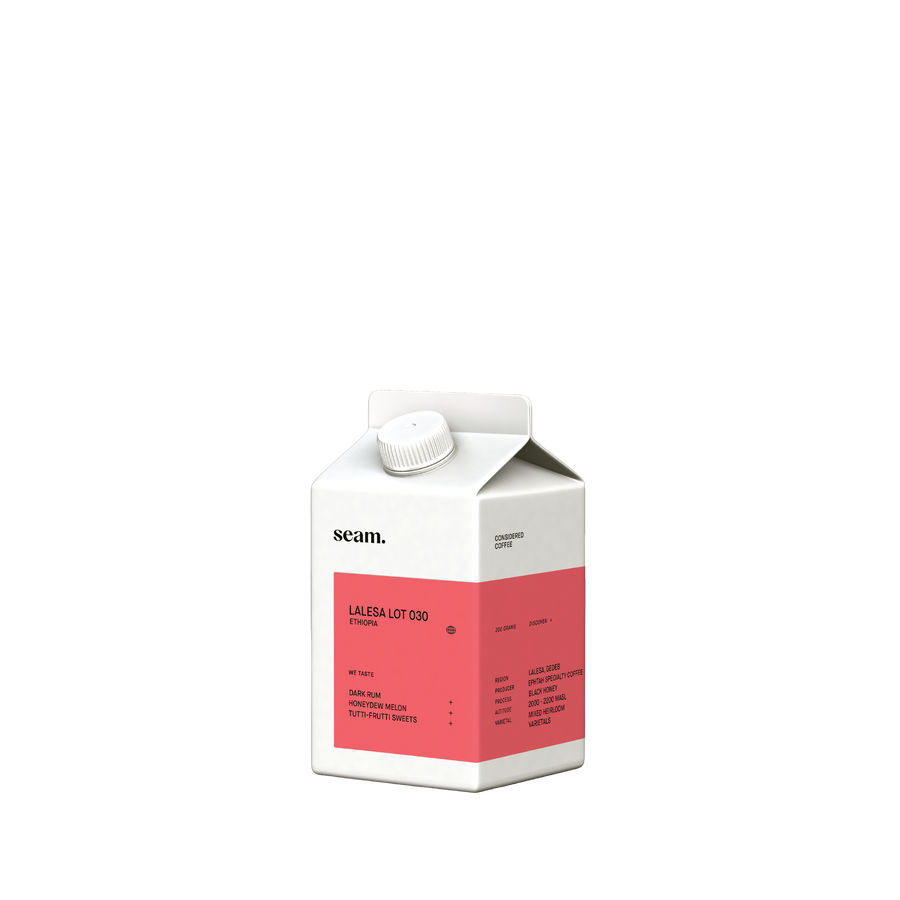
The Producer
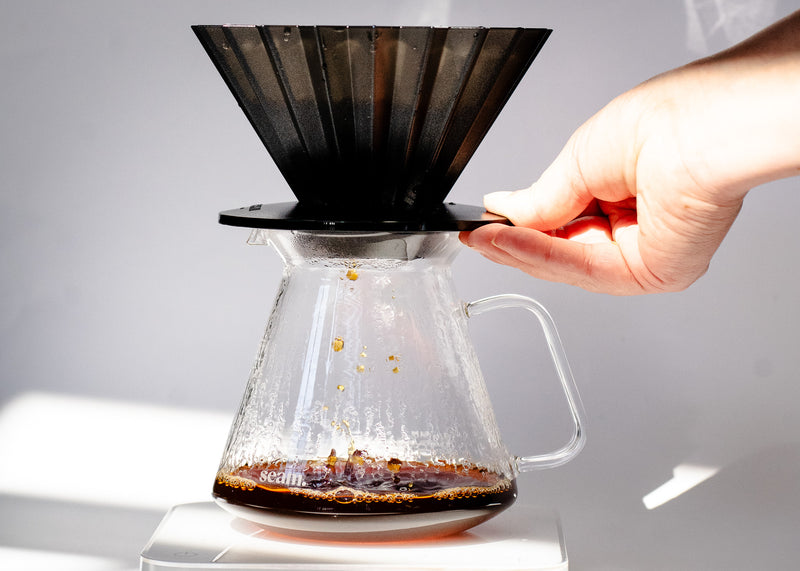
To start off brewing this coffee is simple. Weigh your coffee, use good water, and keep notes on what you change. The recipe below is where we would start with this coffee. Once you find a cup you like, you can make it again.
--------
Read our articles featuring multi-step methods to help you make your coffee taste better, these guides are the helping hand that will help you to efficiently unlock the full flavor potential of your beans.
Our in-house courses cater to those looking to grow their skills, whether brewing at home or in a café setting. Options range from manual brewing tips and tricks to three-hour intensive sessions focused on mastering espresso.
Reviews
This is a really interesting coffee and would have loved if it was whole beans but unfortunately when I ordered I didn't check on my order if it was beans so I received a Espresso grind. But overall it's a great tasting coffee.
Not to my liking too sweet but glad I tried it


Enter your email and we'll send you a link to reset your password.
Enter your email and we'll let you know when this product is back in stock.
You're on the list! We'll email you when it's back.


