June 11, 2026

FIVE YEARS, ON PURPOSE
Wubit studied biology and might have become a teacher. Instead, fresh out of university, she spent the better part of a year buying green coffee from the south, hand-picking it, and selling it door to door. Not as a business but as a way of proving to her parents that she could make her own way. The word “cupping” had lodged in her mind since she was a child, glimpsed on television: not people drinking coffee, but people tasting it.
When a chance came to join a major exporter as a cupper, she took it and set herself a quiet rule. She would stay five years, learn everything the lab, the warehouse, the blending bench, and the hosting room could teach her, and then leave to build something of her own. She kept to it almost exactly, resigning a month before the five years were up.

WHAT SHE LEARNED TO FIX
Inside a large exporter, she saw the same failures repeat. Samples that didn’t match the coffee that arrived in the container. Contracts signed and then quietly ignored, a June shipment drifting to September while the buyer’s emails went unanswered. Roasters left to sell a coffee with none of the story or information they needed to do it well.
So she built Ephtah around the opposite of those habits: the shipment matches the sample, the contract is honored on time, and the roaster is given everything they need to sell the coffee with confidence. “The more you sell my coffee,” as she puts it, “the more I sell to you.”
TEN LETTERS AND A LOAN
She started as a bridge, a consultant standing between buyers abroad and exporters at origin, with one decisive advantage: she was there. If an exporter went silent, she could knock on their door. After a year, the buyers she worked for pushed her to start exporting herself.
The banks said no, she had no track record to lend against. Her answer was to gather recommendation letters from ten buyers and lay them in front of the bank president as proof of the contracts to come. She secured roughly $70,000, about the price of a single container at the time and turned it into around $600,000 within six months. The bank was convinced. Five years on, and Ephtah continues to turn around cashflow year after year.
Congrats on adding a Flexi section! 🎉 Go to App Embeds on the left hand side if the screen in theme settings to remove this banner. Make sure "Flexi Sections" is enabled.

Most producer stories begin with a farm. This one begins with a question Wubit Bekele kept hearing and could never answer honestly.
Years ago, while hosting international buyers for a large Ethiopian exporter, she was asked to take a client to meet the women farmers the company spoke about so warmly. There were none to meet. “Women farmers” was a line in a pitch, not a person you could shake hands with. She found it embarrassing. She also found it unforgettable.
Today, that discomfort is the foundation of her own company.
Wubit studied biology and might have become a teacher. Instead, fresh out of university, she spent the better part of a year buying green coffee from the south, hand-picking it, and selling it door to door. Not as a business but as a way of proving to her parents that she could make her own way. The word “cupping” had lodged in her mind since she was a child, glimpsed on television: not people drinking coffee, but people tasting it.
When a chance came to join a major exporter as a cupper, she took it and set herself a quiet rule. She would stay five years, learn everything the lab, the warehouse, the blending bench, and the hosting room could teach her, and then leave to build something of her own. She kept to it almost exactly, resigning a month before the five years were up.
Inside a large exporter, she saw the same failures repeat. Samples that didn’t match the coffee that arrived in the container. Contracts signed and then quietly ignored, a June shipment drifting to September while the buyer’s emails went unanswered. Roasters left to sell a coffee with none of the story or information they needed to do it well.
So she built Ephtah around the opposite of those habits: the shipment matches the sample, the contract is honored on time, and the roaster is given everything they need to sell the coffee with confidence. “The more you sell my coffee,” as she puts it, “the more I sell to you.”
She started as a bridge, a consultant standing between buyers abroad and exporters at origin, with one decisive advantage: she was there. If an exporter went silent, she could knock on their door. After a year, the buyers she worked for pushed her to start exporting herself.
The banks said no, she had no track record to lend against. Her answer was to gather recommendation letters from ten buyers and lay them in front of the bank president as proof of the contracts to come. She secured roughly $70,000, about the price of a single container at the time, and turned it into around $600,000 within six months. The bank was convinced. Five years on, and Ephtah continues to turn around cashflow year after year.

Wubit chose specialty, and only specialty. Commercial coffee, she points out, can be bought over the phone with no site visits, no relationship required. Specialty asks for the opposite. In Ephtah’s second year she acquired the Lalesa site in Gedeb, the largest in the area, and turned it into a place to experiment: slow drying, shade drying, greenhouse drying, controlled fermentations, naturals, and the black honey she chased until the flavor was finally, exactly right. Ephtah were the first to process there, and the site has since built a name for itself well beyond Ethiopia.

Which brings us back to that question she could never answer. With Ephtah, she made it answerable.
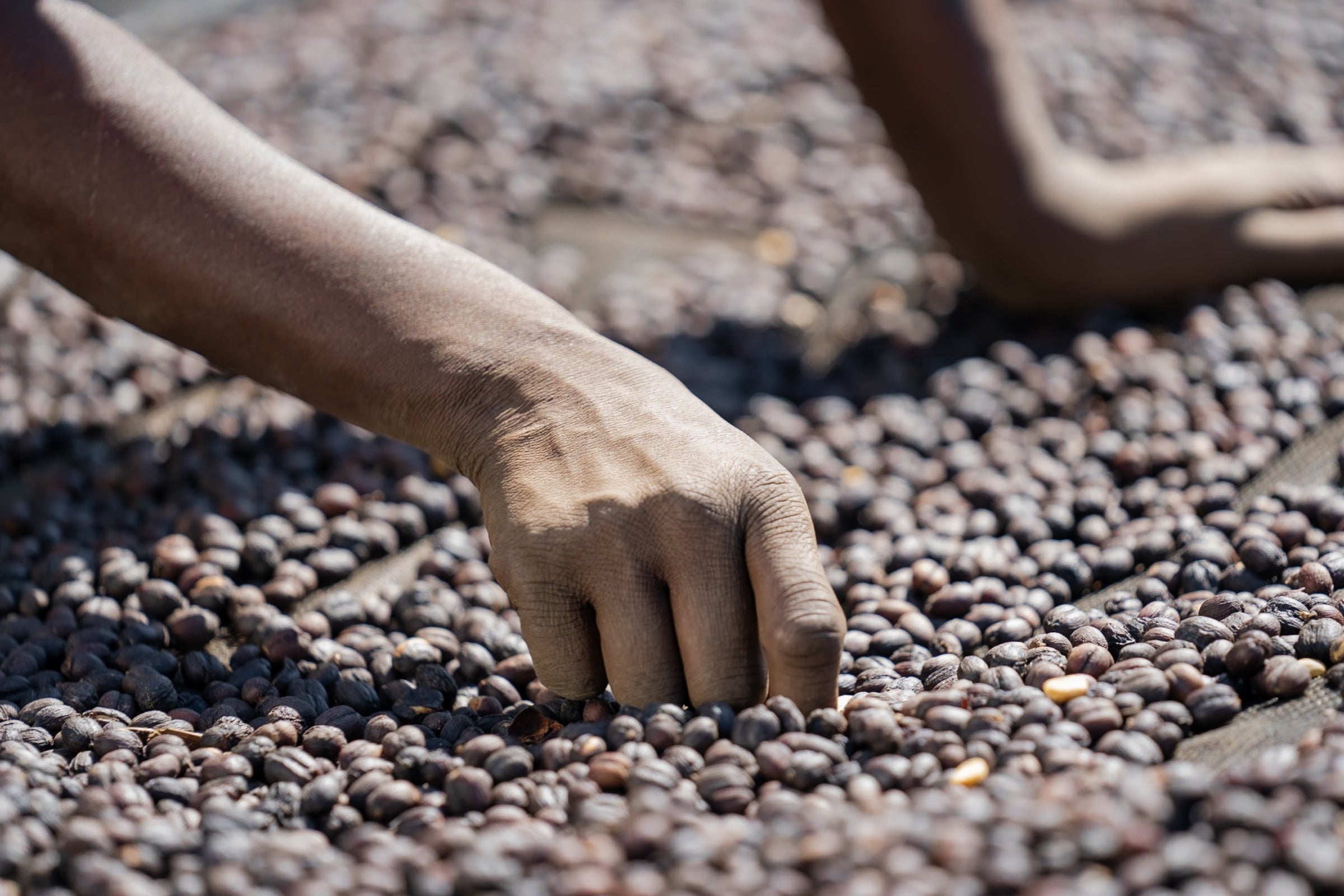
Through the AMA Commitment Ethiopia project, Ephtah works directly with around twenty women farmers. A client pays a ten-cent premium per kilogram; Ephtah matches it with ten more, so twenty cents per kilo reaches the women themselves. Crucially, the agreements are signed with each woman directly, not their husbands, not their sons, and each has their own bank account, so the money arrives in her hands rather than passing through a middleman. Bought with the premium, drying nets and raised shades took the place of the wooden racks and in-home storage that had quietly capped quality for years. And around that small change, something larger has grown.
There’s a workshop now, where the women weave mats and baskets to sell to visiting clients, with the proceeds going into a charity account of their own. There are daycares too, in Lalesa and Dido, looking after around ninety children and keeping them off the roads when the harvest is in full swing. The local government has even set aside land in a school compound for a permanent home. What began as better drying has become, piece by piece, a small ecosystem of care.

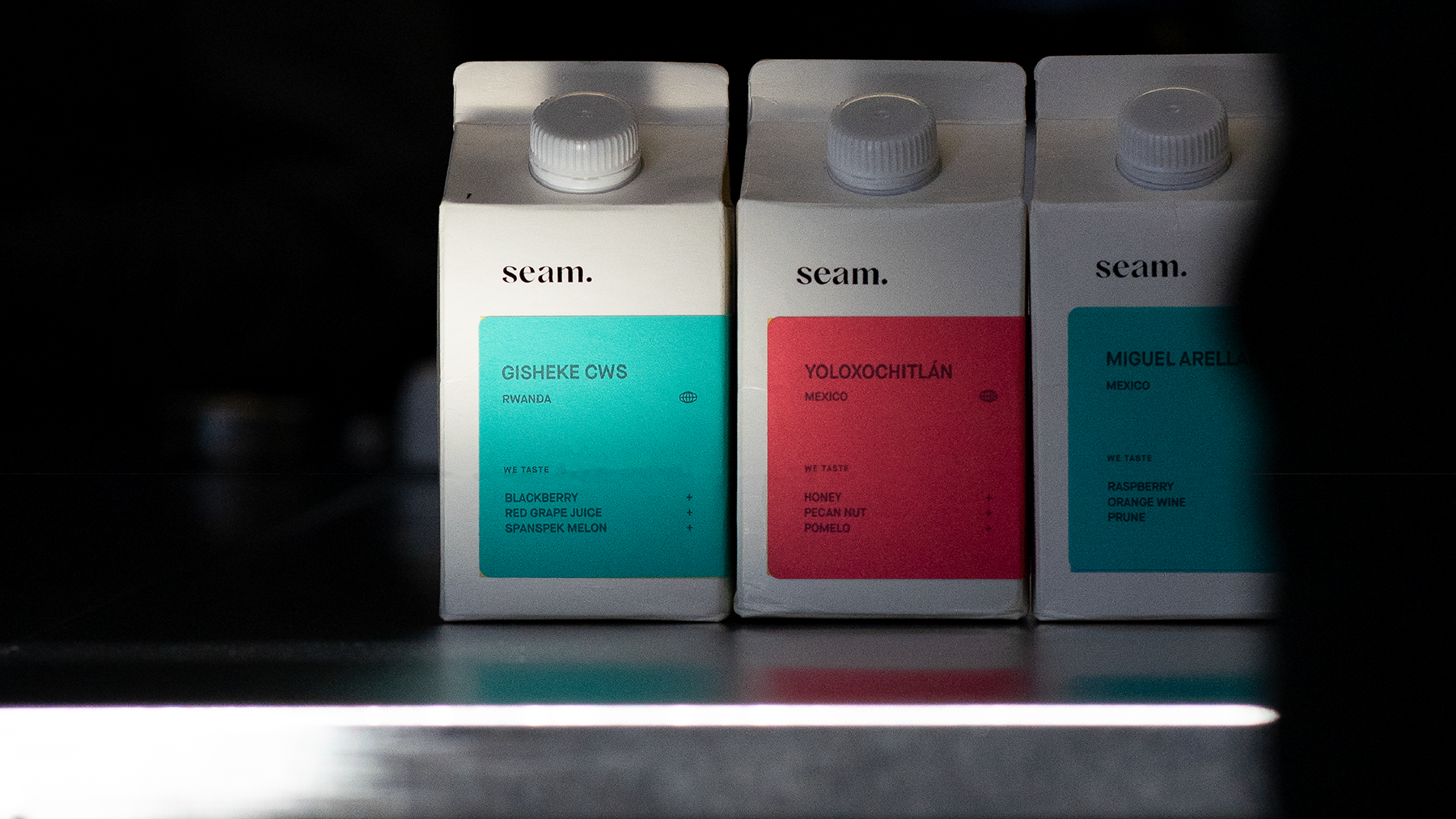
Our own story with Ephtah started small. We first came across Lalesa after picking up a single bag locally, and it stopped us in our tracks. It became one of our favourite coffees that year. So, we did what felt obvious: we reached out to support them directly and flew to Bangkok to meet Wubit and her husband in person at World of Coffee. What began as one bag on a shelf became a relationship at origin.
At Seam, we’re asked all the time where a coffee comes from and who stands behind it. With Ephtah, the answer is unusually complete. The coffee in your cup is the same coffee Wubit would walk you out to see, grown by people she can name, paid into accounts she helped open, dried on nets she put there herself. Considered coffee, from the ground up.
This is the first in a series of producer stories. We couldn’t have asked for a better place to start.
+
Enter your email and we'll send you a link to reset your password.
Enter your email and we'll let you know when this product is back in stock.
You're on the list! We'll email you when it's back.

